.png)


Washing & Maintaining Your Plastered Home: What Every Homeowner Needs to Know
Plastered homes are a fantastic investment. When maintained properly, they not only look sharp and modern, but they also protect your home from the elements for years to come.
However, in the last couple of years, we’ve seen a growing issue that homeowners need to be aware of…
Not All House Washing Is Safe for Plaster
A lot of exterior cleaning companies offer “one-size-fits-all” house washing services. This often includes:
High-pressure water blasting
Strong chemical treatments
Fast, surface-level cleans
That approach might be fine for some cladding types — but it is not suitable for plastered homes when done incorrectly.
We’re not saying a water blaster can’t be used — it absolutely can. But it needs to be done carefully, at the right pressure, with the right setup and technique.
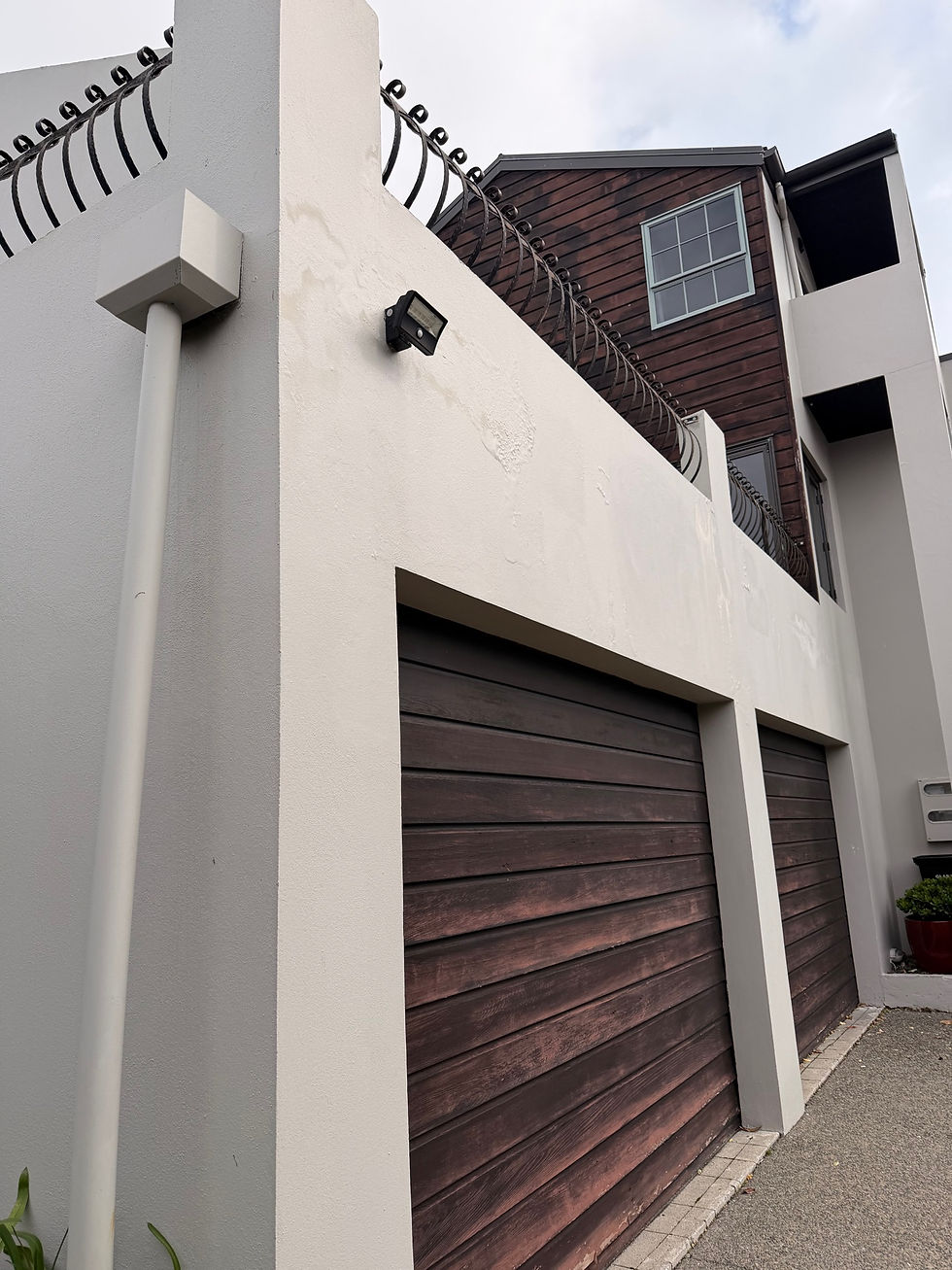
Unfortunately, we’ve seen too many cases where a standard house wash has caused:
Bubbling or blistering of the plaster surface
Water forced behind the coating system
Premature paint failure
Long-term moisture issues
And the worst part? Homeowners often spend $800+ on a wash, only to face thousands more in repair costs shortly after.
Why Plaster Needs a Different Approach
Plaster systems are designed to be protective, but they are also more sensitive than many other exterior finishes.
When a water blaster is used incorrectly — especially with high pressure or narrow nozzles — it can:
Break down protective coatings
Force water into small cracks or joins
Compromise the integrity of the system
Once water gets behind the surface, the damage isn’t always immediately visible — which is why issues like bubbling can show up weeks or months later.

How to Clean a Plastered Home Properly
If you’re planning to clean your home yourself — or want to make sure a contractor is doing it right — here are some key guidelines:
✔️ Use a Water Blaster — But Keep It Gentle
A water blaster can be used, but it must be set to low pressure. Think controlled and gentle — not aggressive.
✔️ Use the Wide Spray Nozzle
Always use a wide fan spray nozzle, not a narrow jet. A narrow nozzle concentrates pressure and can easily damage plaster.
✔️ Stand Back Further
Distance is key. Standing further back reduces the impact pressure on the surface and helps prevent forcing water into the system.
✔️ Avoid Harsh Chemicals
Strong cleaning chemicals can break down coatings and sealers. If anything is used, it should be very mild and plaster-safe.
✔️ Focus on Maintenance, Not Force
Regular, gentle cleaning is far better than aggressive, infrequent washing.
Choosing the Right Company Matters
Before hiring anyone to wash your home, ask a few simple questions:
Do you have experience with plastered homes?
What pressure levels and nozzle types do you use?
Do you use chemicals, and if so, what type?
How do you prevent water from getting behind the system?
If they treat your home the same as every other surface, that’s a red flag 🚩
We’re Seeing the Damage First-Hand
At Edge Group, we’re increasingly being called in after the damage has already been done.
What starts as a simple clean often turns into:
Investigating hidden damage
Repairing compromised plaster
Recoating affected areas
Because the extent of the damage isn’t always visible straight away, these repairs are often done on a charge-up basis, which can quickly add up.
The Safer Option
If you want peace of mind, it pays to use a team that understands plaster systems properly.
We take a careful, tailored approach to every home:
Controlled use of a water blaster (low pressure, wide spray)
No harsh or damaging chemicals
Methods designed specifically for plaster finishes
Or, if you’d prefer to do it yourself, we’re always happy to give guidance so you can do it safely.
Already Noticing Bubbling or Issues?
If your home has recently been washed and you’re seeing:
Bubbling
Cracking
Discolouration
Peeling paint
Don’t leave it too long — the sooner it’s assessed, the better the outcome.
Final Thoughts
Your home is one of your biggest investments. A careless wash — even with the right tools used the wrong way — can undo years of protection in a single afternoon.
Take the time to:
Choose the right people
Ask the right questions
Or make sure you’re using the right methods yourself
If you’re unsure, feel free to reach out — we’re always happy to help protect your home and keep it looking its best for years to come.


Comments